
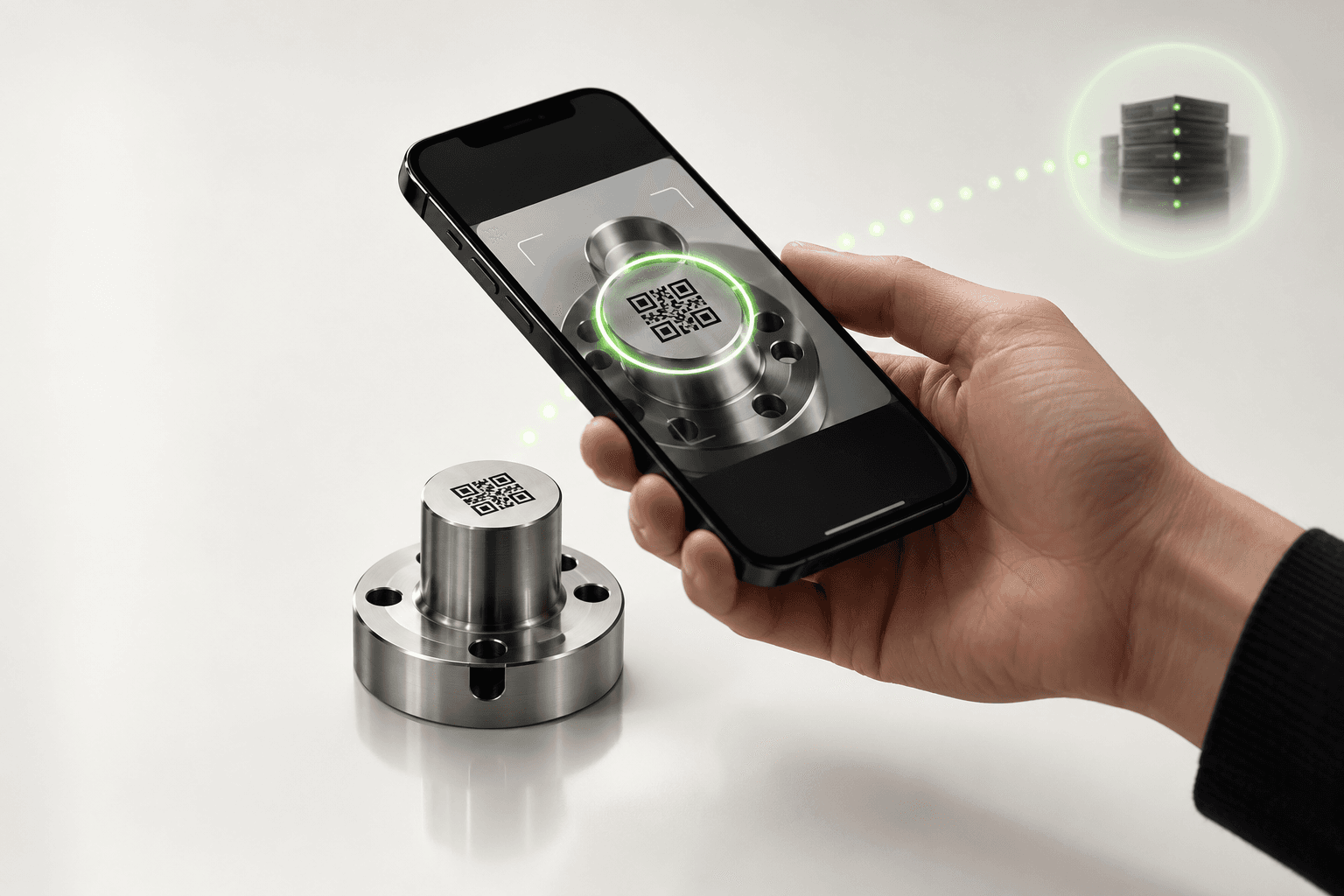
A QR code can open a verification service, but the printed square is not proof by itself. Reliable authentication depends on the identifier inside the code, the trusted system that answers the scan and the evidence connected to that exact product.
What to check after scanning
First, inspect the domain before opening the page. It should belong to the brand or its declared verification provider and use HTTPS. The result should identify the product clearly — model, batch or serial number — and explain what has actually been verified instead of showing only a generic green badge.
Why a QR code can still be copied
A static code printed on every unit can be photographed and reproduced. Item-level serialisation raises the barrier because every physical item receives a different identity. The verification service can then flag duplicate or geographically impossible scans, which are useful signals of cloning.
What a stronger system adds
For higher-risk goods, combine a unique serialised identity with signed data, controlled code issuance and, where appropriate, a physical security feature. GS1 guidance is explicit that digital signatures and serialised traceability work better together than either measure alone.
Make the scan useful after verification
The same persistent link can also provide instructions, warranty, service, ownership transfer and recycling information. That gives customers a reason to return and lets the brand maintain one product identity throughout the lifecycle.
Only Original links every item to a persistent identity and a verified product page. Open the demo to see what a customer receives immediately after scanning.